
|
Handcrafted Tang, Song, and Ming Dynasty Hanfu by master artisans since 2003. Free worldwide shipping, free custom sizing, and 365-day guarantee.
Explore CollectionThe most iconic Hanfu style. Cross-collar blouse paired with a flowing pleated or gathered skirt.
View CollectionMing Dynasty classic. Structured lined jacket with elegant pleated skirt, perfect for formal occasions.
View CollectionThe most ceremonial Hanfu. One-piece deep robe wrapping the entire body, worn for rituals and important events.
View CollectionMing Dynasty scholar's robe with a straight silhouette. Understated elegance for the refined wearer.
View CollectionComplete wedding sets with Fengguan phoenix crown, Xiapei ceremonial cape, and matching groom's attire.
View CollectionComplete your look with traditional hairpins, jade sash belts, cloth shoes, fans, and jade pendants.
View Collection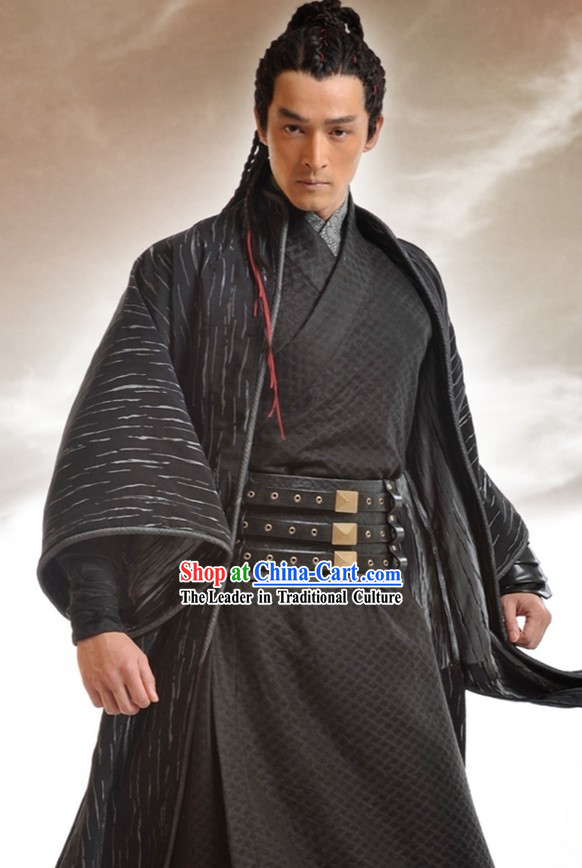


Traditional pattern-drafting methods passed down through generations. Not modern approximations.
Suzhou silk, hand-woven brocade, and natural dyes sourced from heritage textile workshops.
Each piece researched from museum artifacts and historical texts for period-accurate construction.
Made to your exact measurements for a perfect fit. No extra charge for customization.
Full refund or free remake if not satisfied. No questions asked.
Discounts for 5+ items. Custom embroidery for cultural groups, theaters, and universities.
| Feature | Tang Dynasty | Song Dynasty | Ming Dynasty |
|---|---|---|---|
| Period | 618—907 CE | 960—1279 CE | 1368—1644 CE |
| Silhouette | Grand, flowing, dramatic | Slender, refined, understated | Structured, practical, tailored |
| Colors | Bold reds, greens, golds | Muted pastels, pale blues | Rich brocades, deep jewel tones |
| Sleeves | Very wide, flowing | Narrow, elegant | Moderate width, practical |
| Collar | Crossed, deep V-neck | Subtle crossed collar | Structured stand collar |
| Skirt | High waist, full volume | Mid waist, pleated | High waist, fine pleats (mamianqun) |
| Key Style | Ruqun, Banbi jacket | Beizi, Beizi jacket | Aoqun, Mamianqun |
| Best For | Performances, festivals, ceremonies | Daily wear, scholarly events | Everyday wear, weddings, formals |
| Price Range | $100—800 | $80—500 | $80—600 |
Hanfu (汉服) is the traditional clothing of the Han Chinese people, the largest ethnic group in China, with a documented history spanning over 3,000 years. The term "Hanfu" literally means "clothing of the Han people" and encompasses all traditional garments worn by Han Chinese from the Xia Dynasty (c. 2070 BCE) through the Ming Dynasty (1368—1644 CE). Characterized by crossed collars, wrapped front closures, wide sleeves, and sash belts, Hanfu represents one of the world's oldest continuous clothing traditions.
Unlike the Qipao (cheongsam), which originated in 1920s Shanghai with Manchu influences, Hanfu is defined by its flowing, layered silhouettes and construction techniques that date back millennia. Today, Hanfu is experiencing a remarkable global revival, worn by millions for festivals, weddings, cultural events, photography, and everyday fashion across China and the global Chinese diaspora.
The origins of Hanfu can be traced to the Xia and Shang Dynasties (c. 2070—1600 BCE), when early Chinese garments featured the distinctive crossed collar (交�??) and wrapped front closure (右衽) that remain hallmarks of Hanfu design. During the Zhou Dynasty (1046—256 BCE), clothing became formalized through sumptuary laws that dictated what colors, fabrics, and styles could be worn by different social classes.
The Tang Dynasty (618—907 CE) is considered the golden age of Hanfu fashion. Tang Dynasty Hanfu is known for its bold colors, wide sleeves, high waistlines, and cosmopolitan influences from the Silk Road. Women's Tang Hanfu often featured dramatic, flowing sleeves and vibrant silk brocades in red, green, and gold. The empire's prosperity allowed textiles to become an art form, with Suzhou silk and Sichuan brocade reaching unprecedented levels of quality.
The Song Dynasty (960—1279 CE) shifted Hanfu aesthetics toward refined elegance and scholarly simplicity. Song Dynasty Hanfu favored slender lines, muted pastel colors, and understated fabrics. The Beizi (褙子), a parallel-collar outer jacket, became the defining garment of the era, worn by women of all social classes. The Song aesthetic valued intellectual grace over Tang extravagance.
The Ming Dynasty (1368—1644 CE) represents the final flowering of Hanfu before the Qing Dynasty's Manchu clothing mandates. Ming Hanfu combined the practicality of Song styles with richer decoration. The Aoqun (袄�??), a structured lined jacket paired with a pleated skirt, became the dominant women's style. The Mamianqun (ï¿�?面�??, or "horse-face skirt," with its distinctive overlapping pleated panels, remains one of the most popular Hanfu styles today.
| Dynasty | Period | Style | Key Features | Best For |
|---|---|---|---|---|
| Tang | 618-907 CE | Bold & Dramatic | Wide sleeves, high waist, bright colors, silk brocades | Festivals, performances, photos |
| Song | 960-1279 CE | Refined & Elegant | Slender lines, pastel colors, Beizi jacket, understated | Daily wear, scholarly events |
| Ming | 1368-1644 CE | Structured & Practical | Stand collars, pleated skirts, Mamianqun, Aoqun | Weddings, formal events, everyday |
Ruqun (襦�??) is the most iconic Hanfu style, consisting of a cross-collar blouse (ru) tucked into a wrapped skirt (qun). Worn across all dynasties, the Ruqun is the foundation of Hanfu fashion. Tang Dynasty Ruqun features high waistlines and wide sleeves, while Ming Dynasty versions have structured collars and finer pleats.
Aoqun (袄�??) is a Ming Dynasty style pairing a lined jacket (ao) with a pleated skirt (qun). The jacket features a stand collar and can be short or long. The Aoqun is the most practical and commonly worn Hanfu style today, suitable for both formal occasions and everyday wear.
Shenyi (深衣) is the most ceremonial Hanfu type. This one-piece deep robe wraps the entire body in a single flowing garment, symbolizing moral integrity and cultural refinement. Historically worn by scholars and officials for important rituals, the Shenyi remains the choice for formal ceremonies and cultural performances.
Zhiduo (直裰) is a straight-cut scholar's robe from the Ming Dynasty, characterized by its simple, unadorned silhouette. It represents the ideal of the refined Confucian gentleman —modest, dignified, and learned. The Zhiduo is popular among male Hanfu wearers for its understated elegance.
Beizi (褙子) is a Song Dynasty parallel-collar outer jacket worn over inner layers. Its versatility and elegant drape made it popular across social classes. Modern Hanfu enthusiasts often pair the Beizi with a Ruqun for a layered Song-inspired look.
| Size | US Size | EU Size | Bust (in) | Waist (in) | Hips (in) | Height (ft) |
|---|---|---|---|---|---|---|
| XS | 0-2 | 32-34 | 30-32 | 23-25 | 33-35 | 5'0-5'3 |
| S | 4-6 | 36-38 | 33-35 | 26-28 | 36-38 | 5'3-5'6 |
| M | 8-10 | 40-42 | 36-38 | 29-31 | 39-41 | 5'5-5'8 |
| L | 12-14 | 44-46 | 39-42 | 32-35 | 42-45 | 5'7-5'10 |
| XL | 16-18 | 48-50 | 43-46 | 36-39 | 46-49 | 5'9-6'0 |
Asian sizing runs 1-2 sizes smaller than US/EU. Free custom sizing available on all orders — our artisans will tailor to your exact measurements.
Selecting the right Hanfu depends on the occasion, your personal style, and the dynasty aesthetic you prefer. For everyday wear, Ming Dynasty Aoqun offers the best combination of beauty and practicality. The structured collar and pleated skirt are easy to move in while looking polished. For festivals and performances, Tang Dynasty Ruqun with its wide sleeves and bold colors creates maximum visual impact. For weddings and ceremonies, consider a complete Shenyi set or wedding Hanfu with phoenix crown and ceremonial cape.
Size is an important consideration. Hanfu uses Asian sizing, which typically runs 1— sizes smaller than US and European sizing. We recommend ordering one size up or selecting custom sizing, where our artisans will tailor the garment to your exact measurements at no additional charge. Custom sizing adds 3— days to production time but ensures a perfect fit.
The modern Hanfu movement began in the early 2000s when Chinese university students started wearing traditional clothing in public as a statement of cultural pride. Today, the movement has grown into a global phenomenon with millions of regular Hanfu wearers. Major Chinese cities host annual Hanfu festivals, and social media platforms are filled with Hanfu styling content.
Beyond China, Hanfu has gained popularity in Japan, South Korea, Southeast Asia, North America, and Europe. Cosplayers, cultural performers, history enthusiasts, and fashion-forward individuals have all embraced Hanfu for its beauty, comfort, and cultural significance. Museums and cultural institutions worldwide now include Hanfu in their educational programs and exhibitions.
At China-Cart.com, we have been handcrafting authentic Hanfu since 2003, serving over 50,000 customers in 190+ countries. Every garment is made using traditional pattern-drafting methods, with reference to museum artifacts and historical texts. Whether you are a first-time buyer looking for an affordable everyday piece or a collector seeking museum-grade reproductions, our master artisans ensure every stitch honors the 3,000-year heritage of Han Chinese clothing.
Proper care ensures your Hanfu remains beautiful for years. Polyester and cotton Hanfu can be hand washed in cold water or machine washed on a gentle cycle. Silk and brocade Hanfu should be dry cleaned only. Always remove accessories, metal clasps, and detachable embroidery before washing. Store your Hanfu hanging on a padded hanger to maintain its shape, and avoid prolonged exposure to direct sunlight which can fade silk and brocade fabrics. With proper care, a quality Hanfu is an heirloom piece that can be treasured for generations.
Custom size, dynasty style, fabric, color, and embroidery available. Free customization on all orders. Our artisans respond within 24 hours.
Get Custom QuoteIn-depth scholarly reference
Deep Dive Articles